Are You Ready For Winter?
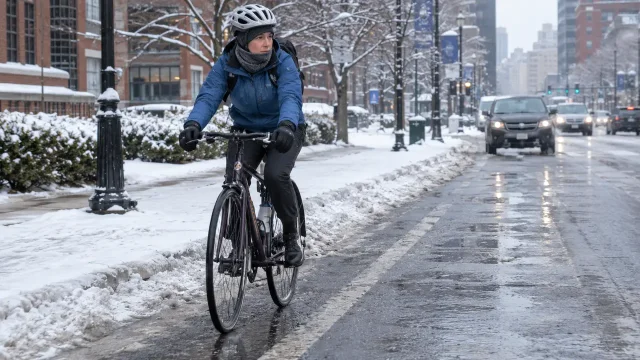
Winter riding isn't about toughing it out. It's about outsmarting the cold. When temperatures drop across the US, a few strategic adjustments to your setup and routine will keep you rolling comfortably through the dark months.
Master the Microclimate
The biggest mistake cyclists make in winter is dressing for the driveway rather than the third mile. Your body is a heat engine, and over-bundling leads directly to sweat—the ultimate enemy in cold weather. Once moisture builds up in your inner layers, any descent or sudden stop turns that damp fabric into an ice pack against your skin.
Start your ride feeling slightly cool. Build a system using a high-wicking synthetic or Merino wool base layer to pull moisture away, a breathable mid-layer for insulation, and a windproof outer shell. Having zip-front layers lets you dynamically regulate heat on steep climbs before you crest the hill and zip back up to descend.
Focus on the Extremities
Your body naturally prioritizes core temperature when cold, pulling blood away from hands and feet. Standard summer cycling shoes are designed to ventilate heat, meaning they turn into wind tunnels in sub-freezing weather. Pairing windproof shoe covers with warm socks keeps your feet functional—just make sure your shoes aren't cinched too tightly, as restricted circulation guarantees numb toes.
For your hands, split-finger lobster gloves offer the perfect balance, pairing fingers together for shared warmth while keeping enough dexterity to work brake levers and shifters cleanly. Handlebar pogies are also a good option for keeping your hands warm. On the helmet side, a thin, windproof skullcap covers your ears without messing up your helmet's safety fit.
Adapt the Bike
Winter roads bring slush, grit, and hidden ice patches. Dropping your tire pressure by 5 to 10 PSI expands your tire's contact patch, giving you noticeably better grip on slick pavement. If you live in an area with frequent hard-packed snow or freezing rain, studded winter tires are a total game-changer.
Don't skip full-coverage fenders. They don't just keep road spray off your back; they protect your drivetrain from salt and de-icing chemicals. Combine those with bright, daytime-running lights to cut through dim winter light, and you have a setup ready for whatever the season throws at you.
